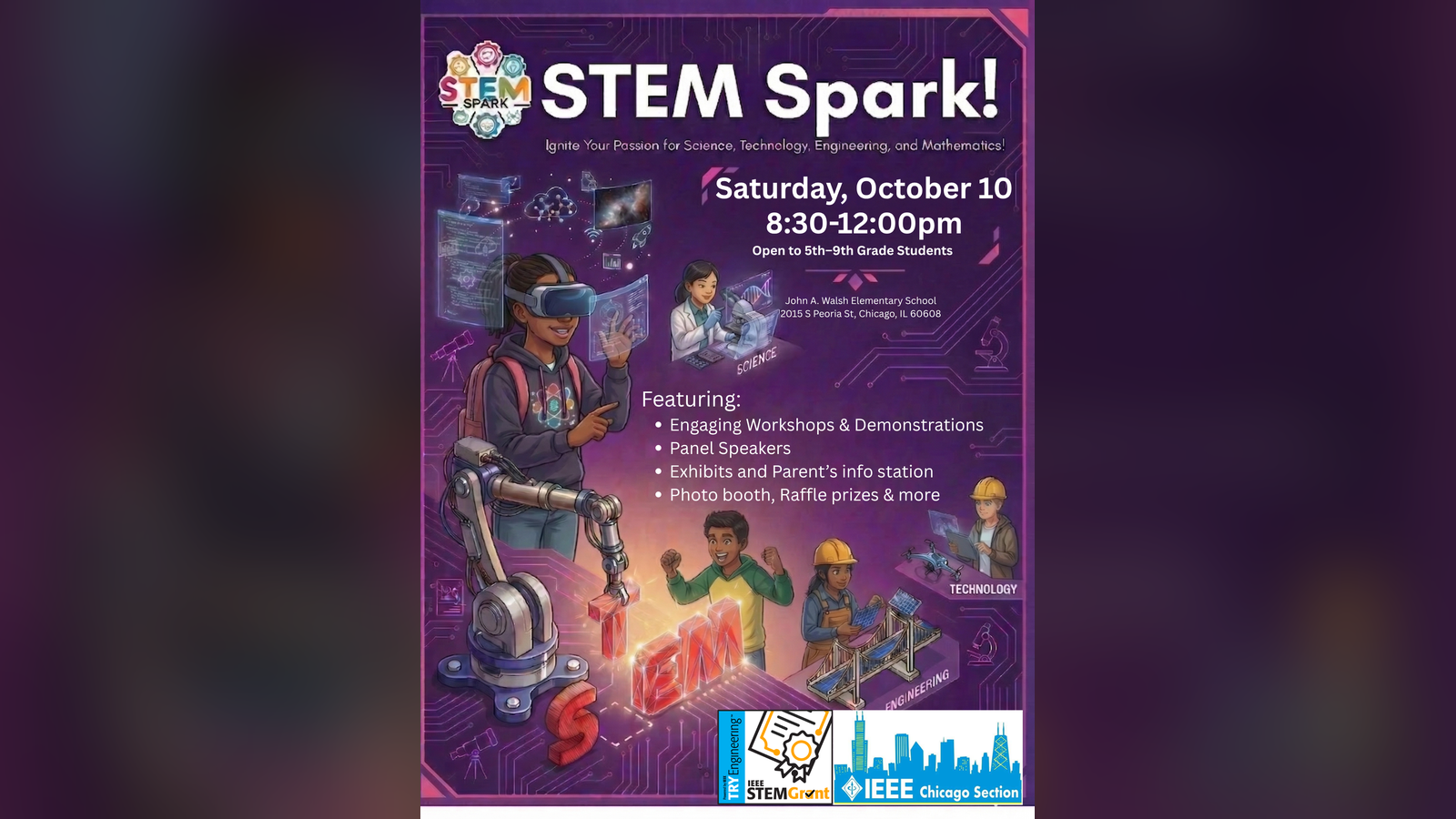

SISREN – Spatial Intelligence and Structured Reasoning for Embodied Navigation | CoRL 2026
Description
SISREN – Spatial Intelligence and Structured Reasoning for Embodied Navigation: Embodied navigation — the ability of autonomous agents to move purposefully through complex, unstructured environments — sits at the intersection of perception, cognition, and action. Despite significant progress driven by large-scale pretraining, state-of-the-art navigation systems still struggle with tasks that humans find straightforward: interpreting multi-step spatial instructions, reasoning about occluded regions, generalizing geometric priors across scene types, and composing spatial relations hierarchically. These gaps point to a fundamental challenge: current systems lack robust spatial intelligence — the capacity to form, manipulate, and exploit structured internal representations of the world for goal-directed locomotion. SISREN brings together researchers from robot learning, computer vision, cognitive science, and natural language processing to examine where spatial intelligence breaks down in embodied agents and how structured reasoning — for instance over maps, scene graphs, affordances, and language-grounded representations — can address these failures. The event is aimed at researchers and graduate students working on embodied navigation, scene understanding, and representation learning, especially relevant to the CoRL community's focus on deployable, generalizable robotic systems.
Event location
Let your network know you`re going
Share this event to start conversations, invite colleagues, and connect before it begins.
Meet the speakers

Jason Liu
Theme:Postdoctoral Fellow, Computer Science, MIT. Foundation models for structured reasoning, navigation, and interaction in physical environments.
Bolei Zhou
Theme:Associate Professor of Computer Science, UCLA. Visual representation learning, scene understanding, and spatially grounded foundation models.
Dinesh Manocha
Theme:Distinguished Professor of Computer Science, University of Maryland. Navigation, simulation, crowd modeling, and physically grounded reasoning for autonomous systems.
Lu Gan
Theme:Assistant Professor of Aerospace Engineering, Georgia Institute of Technology. Visual localization, SLAM, 3D scene understanding, and spatial representation for embodied AI.
Related events
The AI Tasting Room (with The AI Collective Fayetteville)

Build with AI DC
Philly Builds AI Founder Series: On Building, Exiting, and Building Again from 3x Founder Jake Stein of Common Paper
SF Tech Week Lunchtime w/ Rootly AI 🍂🌮

creator lounge party • AGI x YY x 21st x Blue Neck
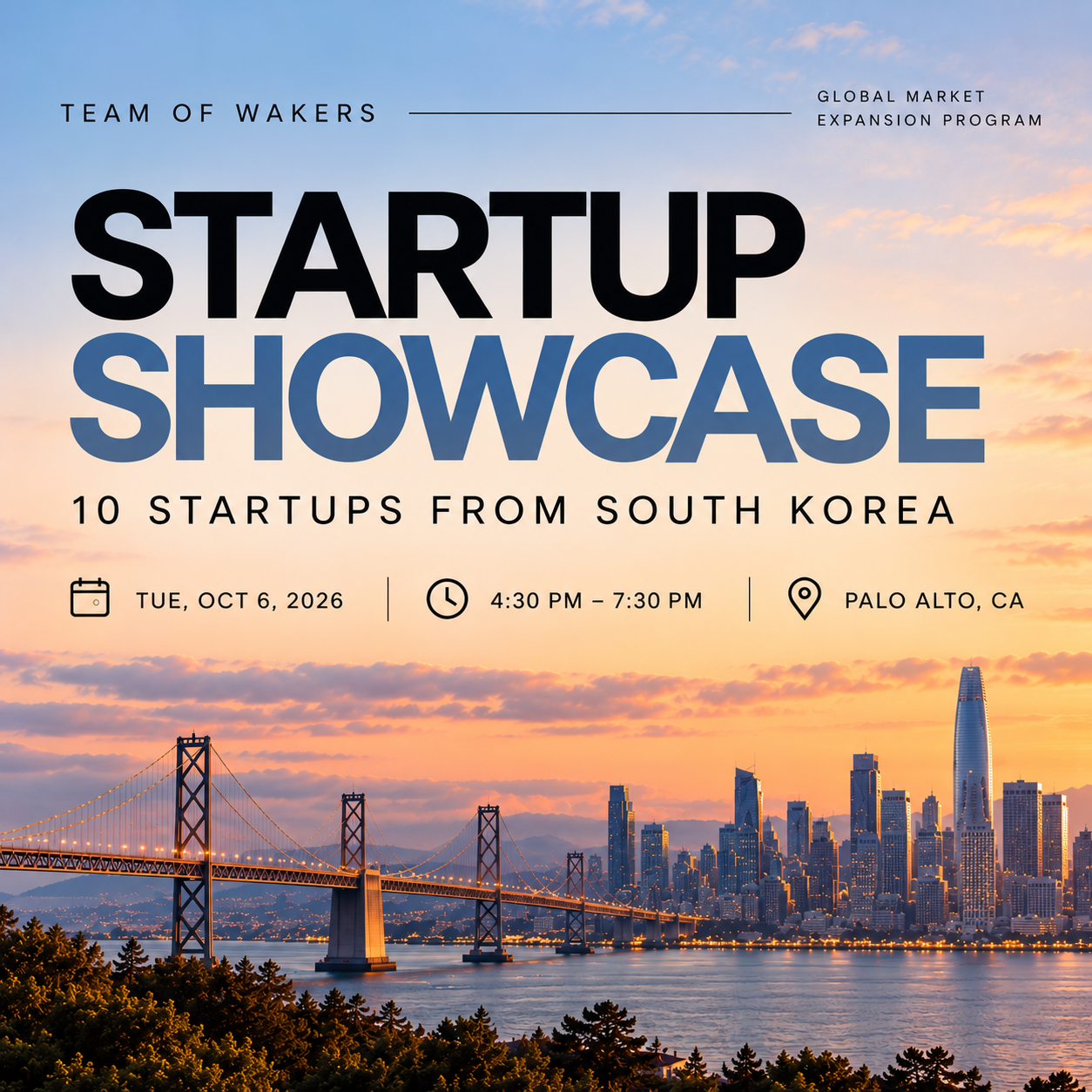
Startup Showcase
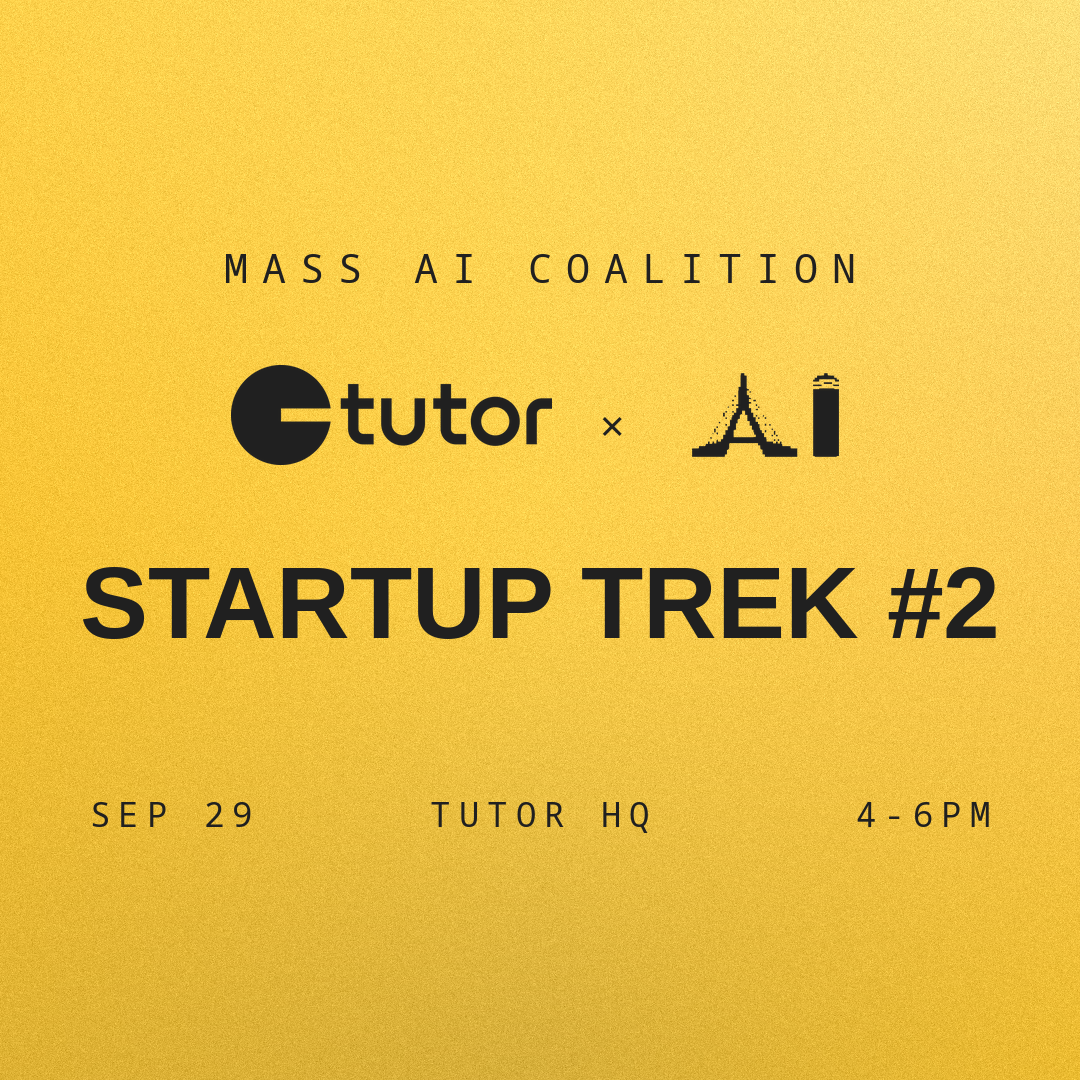
Tutor Intelligence: Startup Trek
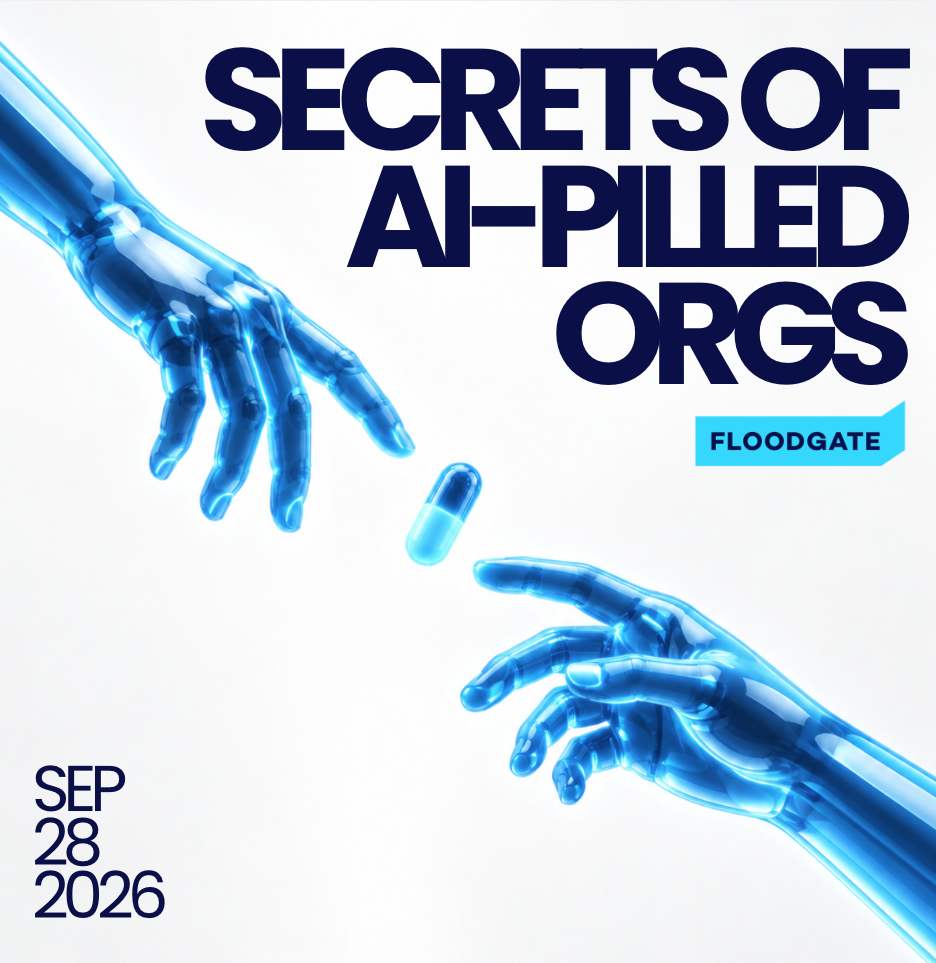
Secrets of AI-Pilled Organizations

Informationbanker Fintech & AI networking walk
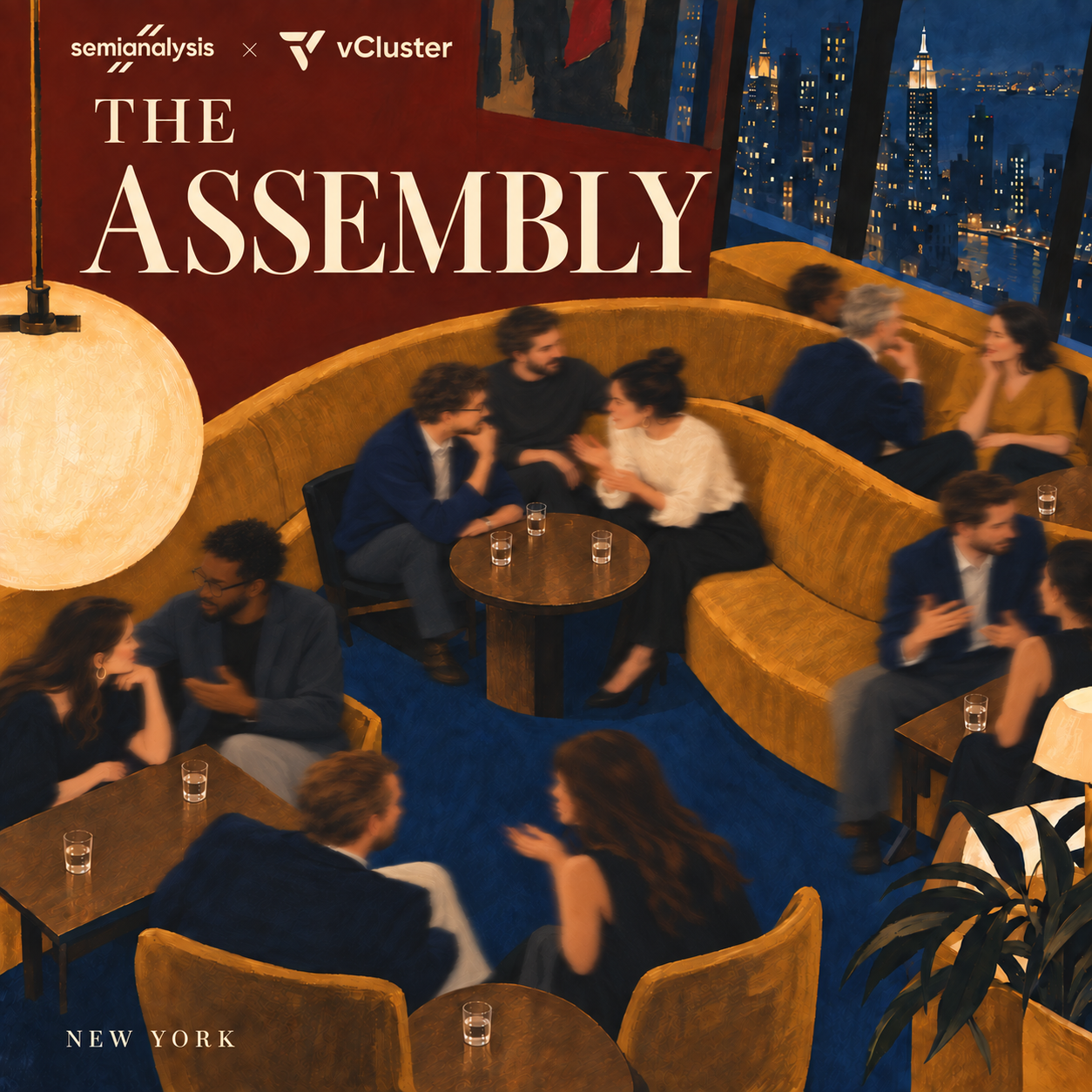
SemiAnalysis x vCluster Presents: The Assembly
NYC Frontier Hackathon: Build your Autonomous Code Factory