

AI at the Bedside: Who Is Accountable When the Algorithm Makes the Call?
Description
About the session There are not enough health workers.And in many of the places where shortages are most acute, the people delivering frontline care are being asked to make difficult clinical decisions with limited training, limited supplies, and very little real-time support.AI-enabled clinical decision support could change that.Well-designed tools can put evidence-based guidance into the hands of frontline health workers at the point of care, support triage and maternal and child health decisions, connect remote communities with clinical oversight, and help constrained health systems extend the capabilities of the workforce they already have.But demonstrating that a tool works is only the beginning.The harder question is whether the health system will keep it.Moving from a successful pilot to durable integration within a government health system is a fundamentally different challenge from building the technology.Health ministries need evidence they trust. Tools need to fit into existing workflows, training systems, data architecture, procurement processes, and accountability structures. Governments need financing models that do not leave them responsible for infrastructure they cannot afford once external funding disappears.And when AI is informing clinical decisions, responsibility cannot be an afterthought.What happens when a tool makes the wrong recommendation? How should a frontline worker decide when to trust or override it? What level of human oversight is realistic in a setting where qualified clinicians are already scarce? And who is accountable when the technology becomes embedded in routine care?These questions matter because global health has seen this pattern before.A digital tool demonstrates promising results. A donor funds a pilot. Usage grows. Then the grant ends before government financing, ownership, procurement, or integration is in place.The technology disappears.Communities lose a service they had begun to rely on, and health ministries become understandably skeptical of the next externally funded technology initiative promising transformation.AI could repeat that cycle at much greater scale.Or it could force us to finally solve it.This session will examine what distinguishes AI-enabled health tools that become part of public health infrastructure from those that remain trapped in perpetual pilot.What evidence do governments actually need? Who pays after philanthropy leaves? When should government ownership begin? How should technology organizations design for integration from day one? And what does responsible AI look like when the person using it may be hours away from the clinician who could verify its recommendation? Discussion Group Leaders What to expect A practitioner conversation grounded in experience deploying AI-enabled clinical decision support, telemedicine, and other digital health tools within public health systems across Africa and South Asia, including Pakistan.Participants will examine cases where government integration has progressed and cases where it has stalled, looking beyond the technology itself to the institutional conditions that determine whether adoption lasts.The conversation will connect people who often approach the problem from different directions: technology developers, government health-system leaders, frontline health practitioners, funders, and responsible AI specialists.The goal is to get practical about what each needs from the others if AI is to become durable primary healthcare infrastructure rather than another generation of promising pilots. Who this is for This session is for digital health innovators, health ministry officials and public health-system leaders, global health funders and investors, community health worker program managers, responsible AI practitioners, and anyone working at the intersection of technology and primary healthcare who wants a more rigorous conversation about what scale actually requires. What you will get out of it
Event location
Let your network know you`re going
Share this event to start conversations, invite colleagues, and connect before it begins.
Related events
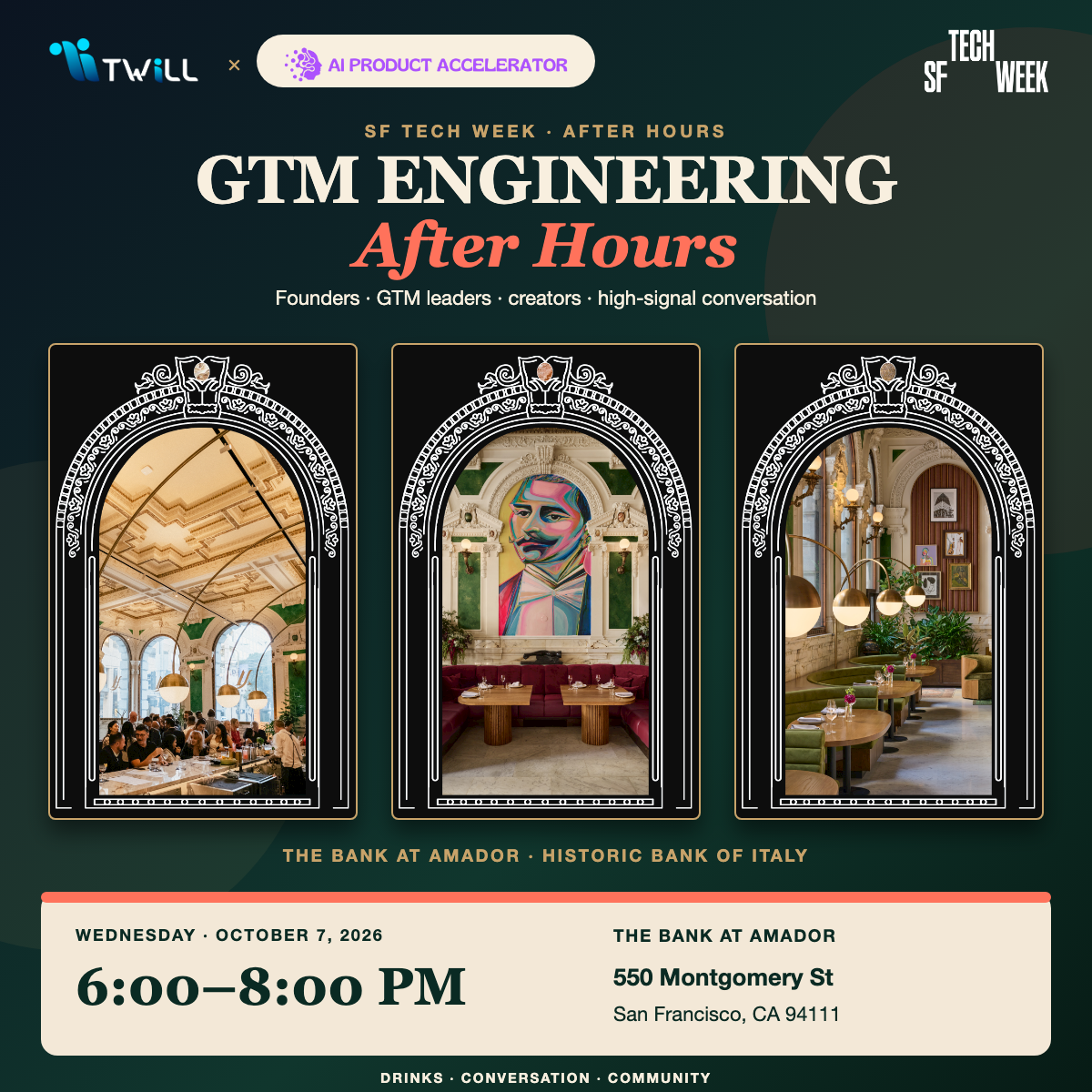
GTM Engineering After Hours: Founders, Creators & Operators
High Growth, Low Burnout: Blueprint for Sustainable Startup Scale
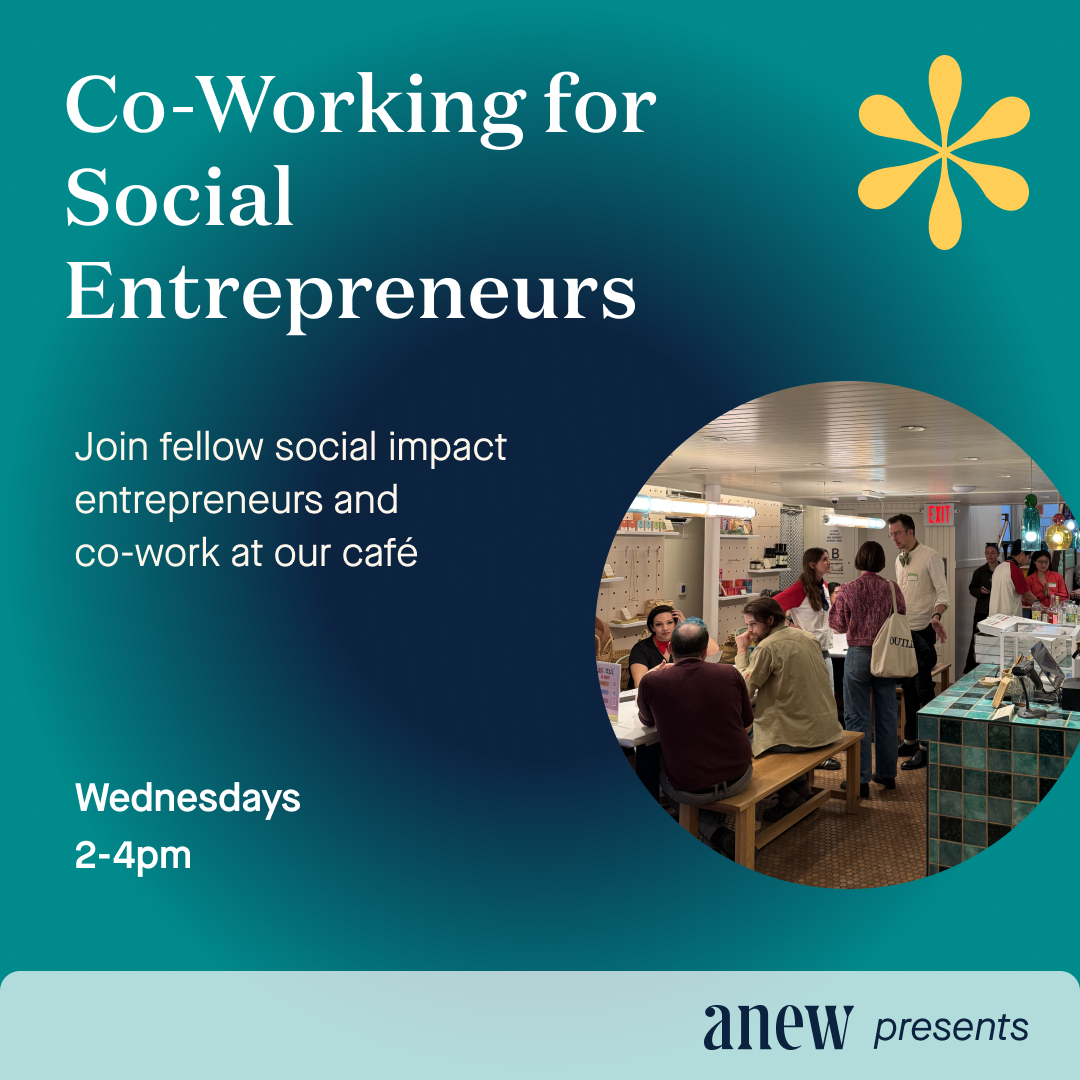
Co-Working for Social Entrepreneurs: Climate Edition with Ocean Agentics

LA UXR Meetup x Dialogue AI Happy Hour

Abaka AI Latin Night
Sampura Research - Talk+Social
AI for All: Building Better AI Through Talent, Innovation & Opportunity
Seattle | AI Week Claude Impact Lab Hackathon
AI in the A.M.

Builder Night: AI Vibe Coding Community Networking & Showcasing on the Eastside (ctrl+alt+create live)
DevDay Exchange Community: Portland